

Find the right dry skin treatment for you
View All Products
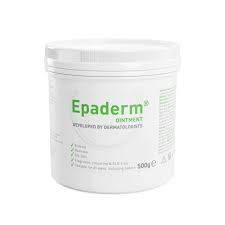



What you should know about dry skin
Usually not. As the NHS explains, most dry skin comes down to everyday things like cold weather, central heating, and hot showers, and it isn’t dangerous. Now and then, stubborn dryness can hint at something underlying, such as an underactive thyroid or diabetes, which is worth checking if a good routine isn’t shifting it.
For most people, it’s emollients used generously and often. NICE describes them as the mainstay of dry skin care. Slather them on after washing while your skin is still slightly damp, and swap soap for a soap substitute. The best product is simply the one you’ll happily use every day.
More than you’d think. The peer-reviewed review by Augustin and Brignone recommends applying emollients liberally and several times a day, even when your skin looks perfectly fine. A reliable habit is to reapply after every wash. Little and often beats one hopeful slather in the morning.
Blame the air. Cold weather, wind, and indoor heating all drop the humidity around you and pull moisture from your skin. As the NHS notes, this seasonal pattern is very common. A richer emollient and slightly cooler, shorter showers usually take the edge off until spring.
Sadly, not on its own. Staying hydrated supports healthy skin, but the real issue is moisture escaping through a weakened skin barrier. That’s why what you put on your skin, namely emollients that trap water in, does far more than what’s in your glass.
Not as a leave-on moisturiser. NICE advises against using it that way, because one of its ingredients can irritate the skin. It’s fine as a soap substitute, but there are much better leave-on options out there. A quick chat with a pharmacist will point you to one that suits you.
It’s a small but genuine risk worth knowing. As the MHRA warns, emollients can soak into clothing and bedding and make them catch fire more easily near a naked flame, whether or not they contain paraffin. Keep away from open flames, avoid smoking near treated skin, and wash fabrics regularly.
Get advice if your skin hasn’t improved after a week or so of good self-care, if it cracks, or if you spot signs of infection like weeping, swelling, or spreading redness. As pharmacy guidance notes, dryness that simply won’t budge can also be a cue to check for an underlying cause.
Additional information
Dry skin
Dry skin has a knack for showing up at the worst times, tight after a shower, flaky by lunchtime, itchy the moment you sit still. If your skin feels rough, looks dull, or won’t stop nipping, you’re in very good company, and there’s plenty you can do about it.
At Courier Pharmacy, we build your skincare around your skin, your routine, and your sensitivities, with treatment tailored to you, honest guidance from real pharmacists, a community that gets it, and care you can trust. Skincare that fits you, the way it should be. Tight, flaky, and itchy? We can help you manage dry skin.

Five key takeaways
- Dry skin happens when your skin barrier loses water and natural oils faster than it can replace them. As the NHS explains, this leaves skin feeling rough, tight, and itchy.
- Moisturisers do the heavy lifting. NICE describes emollients as the mainstay of treatment, used often and generously, even when your skin looks fine.
- It’s incredibly common, especially with age. Most people over 60 have some degree of dry skin, as the dermatology literature consistently reports.
- Everyday habits matter. As the NHS notes, hot showers, harsh soaps, and central heating all dry skin out, and small changes make a real difference.
- Sometimes it’s a clue. Persistent dry skin can point to an underlying issue like an underactive thyroid, which is worth checking if it won’t settle.

What Courier Pharmacy offers for dry skin
- A range of emollients and soap substitutes, with pharmacist guidance on what suits your skin
- Compounded, personalised emollients, including fragrance-free and excipient-free options for sensitive or reactive skin
- Urea-based and ceramide-rich options for very dry or scaling skin
- Blood tests to help check for underlying causes when dryness won’t settle
- Free pharmacist consultations to build a simple, workable skincare routine
- Free fortnightly drop-in clinics in Derby, with no cost and no pressure
What you should know about dry skin treatments
Good dry skin care follows a simple, sensible path. First, work out what’s drying your skin, from the weather to your washing routine. Second, remove or reduce those triggers where you can. Third, use treatments that genuinely work, starting with regular emollients. Fourth, tailor that routine to you and adjust it through the seasons.
This is the approach we lean on at Courier Pharmacy. As NICE notes in its guidance on skin care, emollients are often underused, yet they’re the single most effective everyday treatment. The goal isn’t flawless skin. It’s comfortable, calm skin that lets you stop thinking about it.
Dry skin overview
Dry skin, known medically as xerosis, is skin that lacks enough moisture and natural oil to stay soft and supple. The NHS describes it as a common condition that’s usually mild and easily managed at home.
The impact can be bigger than people expect. Dry skin can itch, sting, crack, and disturb sleep. It can knock your confidence, especially when it shows on your hands or face. Severely dry, cracked skin can also let in infection. None of this means you’re doing something wrong, and none of it is something you simply have to live with.
The way dry skin is treated is well established and reassuringly practical. As the peer-reviewed review by Augustin and Brignone explains, emollients are the foundation, and the best results come from using them often and choosing a product you’ll actually stick with. That last part matters more than any fancy ingredient.
Why does this matter? Because dry skin is common, treatable, and occasionally a signal of something else going on. Most cases respond well to a good routine. The few that don’t deserve a proper look, not just another tub of cream.

What is dry skin?
Dry skin is the result of a weakened skin barrier that can’t hold onto water. The outer layer loses moisture, and the skin becomes rough, tight, and flaky. As the NHS explains, it’s very common and rarely serious.
Common symptoms include:
- A rough, scaly, or flaky texture
- Tightness, especially after washing
- Itching, which can be mild or intense
- A dull or ashy appearance
- Fine cracks, sometimes on the hands, heels, or shins
- Redness or irritation in drier patches
If dryness becomes severe, the skin can crack deeply or show signs of infection like weeping, swelling, or increasing pain. As pharmacy guidance notes, that’s a cue to seek help rather than soldier on.
How common is dry skin?
Dry skin is one of the most widespread skin conditions there is. The NHS describes it as something most people will experience at some point, often triggered by weather or washing habits.
It becomes far more common with age. The dermatology literature reports that nearly everyone over 60 has some degree of dry skin, with one primary care study finding it in well over half of elderly patients. That’s because skin naturally produces less oil and holds less water as the years pass. Dry skin affects all ages, genders, and skin tones, but older adults, people with eczema, and those in cold or low-humidity environments are most affected.
What causes dry skin?
There’s often more than one cause at play. Dry skin usually comes from a mix of environment, habits, and sometimes an underlying condition. The NHS and dermatology guidance describe several recognised contributors.
Ageing
As we get older, the skin makes less sebum, the natural oil that locks in moisture. As the dermatology literature notes, this is why dry skin becomes so common later in life.
Weather and environment
Cold air, wind, low humidity, and indoor central heating all pull moisture from the skin. Many people notice their skin is driest in winter for exactly this reason.
Washing, soaps, and irritants
Long, hot showers, frequent handwashing, and harsh soaps or detergents strip the skin’s natural oils. As the NHS advises, gentler washing habits often help a great deal.
Skin conditions
Dry skin is a feature of conditions like eczema (atopic dermatitis) and psoriasis. Here, the dryness is part of a broader inflammatory picture that may need extra treatment.
Medical conditions
Persistent dry skin can be linked to conditions such as an underactive thyroid, diabetes, or kidney problems. As pharmacy and dermatology sources note, this is why dryness that won’t settle is worth investigating.
Medications and lifestyle
Some medicines list dry skin as a side effect. Dehydration, a poor diet, and smoking can also play a part, as can hormonal changes around the menopause.

What happens in the body with dry skin?
Think of your skin’s outer layer as a brick wall. The skin cells are the bricks, and a mix of natural fats, including ceramides, cholesterol, and fatty acids, is the mortar holding them together. As the dermatology literature describes, this wall keeps water in and irritants out.
In dry skin, that mortar runs low. The wall develops gaps, water escapes more easily, and irritants slip in. Scientists call this increased water loss through the skin. The result is the rough, tight, itchy feeling you know too well, and a barrier that’s more easily upset by soaps and weather.
This matters for treatment. Emollients work by topping up the missing fats and trapping water in the skin, helping rebuild that wall. As Augustin and Brignone explain in their peer-reviewed review, combining ingredients that hold water with ingredients that seal it in gives the best results.
Diagnosing dry skin
Most dry skin needs no tests at all. A pharmacist or GP can usually recognise it from how your skin looks and feels, and from a quick chat about your routine and triggers. As the NHS explains, simple self-care resolves the majority of cases.
Tests come into play when dryness is severe, widespread, or won’t settle despite a good routine. In those situations, a clinician may look for an underlying cause. As pharmacy guidance notes, conditions like an underactive thyroid, diabetes, or kidney problems can show up as stubborn dry skin.
This is one area where Courier Pharmacy can help directly. We can arrange blood tests to check things like thyroid function, blood sugar, and kidney health, so you and your clinician can be confident you’re treating the right thing. Tests that answer the question, not just tick a box.
Managing dry skin: current treatments
The modern approach is refreshingly straightforward. NICE and the wider evidence put emollients front and centre, with everyday habits close behind.
Emollients
These are the cornerstone. NICE describes emollients as the mainstay of dry skin care. They soften, soothe, and hold moisture in the skin. Used regularly, they can keep dryness and itching at bay even between flare-ups.
How to use emollients well
A little and often beats a lot, rarely. Apply generously, several times a day, and always after washing while the skin is still slightly damp. As the peer-reviewed review by Augustin and Brignone notes, using enough is one of the biggest factors in whether emollients work.
Soap substitutes
Ordinary soap strips natural oils. Swapping it for a soap substitute or emollient wash can make a real difference, as NHS guidance on dry skin advises. Lukewarm rather than hot water helps too.
Urea and ceramide options
For very dry or scaling skin, emollients containing urea can help soften and hydrate. Ceramide-rich products help rebuild the skin barrier directly. A pharmacist can help you match the product to your skin.
Compounded and personalised options
Standard products don’t suit everyone. Some people react to fragrances or preservatives, or need a formulation that isn’t on the shelf. This is where Courier Pharmacy’s personalised compounding comes in, including fragrance-free and excipient-free emollients for sensitive or easily-irritated skin.

What to avoid
Not every product helps. NICE advises against using aqueous cream as a leave-on moisturiser, because an ingredient in it can irritate the skin. Heavily perfumed products can also aggravate dryness, which is why unperfumed options are often the safer bet.
A note on safety
Here’s something many people don’t know. As the MHRA warns, emollients can soak into clothing and bedding and make them catch fire more easily near a naked flame, whether or not they contain paraffin. It’s a small risk worth knowing. Keep away from open flames, and wash fabrics regularly.
Patient experiences and challenges
If you’ve ever been told dry skin is “nothing to worry about” and sent on your way, you’ll know how dismissive that can feel. It’s one of the most common frustrations people share with us. Mild or not, dry skin can be genuinely miserable to live with.
Many people also tell us they’ve tried tub after tub without success, often because they weren’t using enough, or were using a product that didn’t suit them. Others gave up when fragranced creams made things worse. As Augustin and Brignone highlight in their review, finding a product you’ll actually use every day is the real key, and that’s a personal thing.
Here’s what we want you to hear. You’re not fussy, and you’re not failing at skincare. Dry skin is real, manageable, and worth taking seriously. You’re the one living in your skin, and you get to decide what comfortable feels like. Our job is to help you get there with less trial and error.
Innovative and new treatments for dry skin
Dry skin care keeps quietly improving, and the most useful advances are about smarter formulations rather than gimmicks. It’s worth knowing what’s genuinely helpful.
Modern emollients increasingly combine ingredients with complementary jobs. As the peer-reviewed review by Augustin and Brignone describes, pairing a humectant that draws in water, like glycerol, with an occlusive that seals it in, like petrolatum, works better than either alone. Ceramide-containing products that mimic the skin’s own fats are another welcome step forward.
There’s also growing research interest in the skin microbiome and barrier-repair ingredients. The evidence here is still developing, so we’d treat bold marketing claims with healthy caution.
At Courier Pharmacy, our role is honest guidance. We’ll talk through what’s genuinely supported, what’s still emerging, and what’s simply clever packaging, so you can choose calmly rather than chase trends.
Looking to the future: research and hope
The direction of travel is encouraging. Researchers are refining which ingredient combinations rebuild the skin barrier best, and how to make daily skincare easier to stick with, since adherence is everything. There’s also better understanding of how dry skin links to overall skin health and underlying conditions.
There’s reason for steady optimism. Dry skin is one of the most treatable conditions we see, and the tools keep getting better. We won’t promise miracles or a magic cream. What we will say is that, with the right routine, most people can keep their skin calm, comfortable, and out of mind.
How Courier Pharmacy helps with dry skin
We started Courier Pharmacy because too many people get one-size-fits-all advice and a generic cream. Dry skin is a perfect example. Your skin, your sensitivities, and your routine are unique, so your treatment should be too. That’s the personalisation at the heart of what we do.
Alongside that sits real guidance. Our pharmacists will help you build a simple routine, choose products that suit your skin, and avoid the ones that don’t. We can offer fragrance-free and excipient-free compounded emollients for reactive skin, and arrange blood tests when dryness won’t settle. It’s skincare built around you, grounded in NHS and NICE guidance rather than guesswork.
This is also where our brand ambassador, Dr Ada Jex-Cori, comes in. Her view shapes how we work: you’re not broken, and you deserve healthcare that fits your life. We back that up with community and trust, as a UK-regulated pharmacy that’s transparent about what helps and what doesn’t.

Frequently asked questions about dry skin
Is dry skin a sign of something serious?
Usually not. As the NHS explains, most dry skin is caused by everyday things like weather and washing habits, and isn’t serious. Occasionally, persistent dryness can point to an underlying condition such as an underactive thyroid, which is worth checking if it won’t settle.
What’s the best treatment for dry skin?
For most people, regular emollients are the answer. NICE describes them as the mainstay of treatment. Apply generously and often, especially after washing, and pair them with a soap substitute. Choosing a product you’ll happily use every day matters more than the price tag.
How often should I moisturise?
Often. The peer-reviewed review by Augustin and Brignone recommends applying emollients liberally and several times a day for dry skin, even when it looks fine. A good habit is to reapply after every wash, while the skin is still slightly damp.
Why is my skin so dry in winter?
Cold air, wind, and indoor heating all lower humidity and pull moisture from your skin. As the NHS notes, this is a very common seasonal pattern. Using a richer emollient and avoiding very hot showers through winter usually helps.
Can drinking more water cure dry skin?
Staying hydrated supports healthy skin, but water alone rarely fixes dry skin. The main issue is moisture escaping through a weakened skin barrier, which is why emollients applied to the skin do the real work.
Is aqueous cream good for dry skin?
Not as a leave-on moisturiser. NICE advises against using aqueous cream that way, because an ingredient in it can irritate the skin. It can be used as a soap substitute, but better leave-on options are widely available, and a pharmacist can suggest one.
Should I be worried about emollients and fire?
It’s a small but real risk. As the MHRA warns, emollients can build up on clothing and bedding and make them catch fire more easily near a flame. Keep away from naked flames, avoid smoking near treated skin, and wash fabrics regularly.
When should I see a pharmacist or doctor about dry skin?
Seek advice if your skin doesn’t improve after a week or so of good self-care, if it cracks, or if you see signs of infection like weeping, swelling, or spreading redness. As pharmacy guidance notes, stubborn dryness may also need a check for underlying causes.
Can Courier Pharmacy help if creams haven’t worked for me?
Often, yes. We can review what you’ve tried, suggest products that suit your skin, and offer fragrance-free or excipient-free compounded emollients for sensitive skin. We can also arrange blood tests when dryness persists. It starts with a free chat with one of our pharmacists.
More than a condition: our community
Living with uncomfortable skin can feel isolating, especially when people assume it’s trivial. So we made a space where it isn’t. Every fortnight, we run free drop-in clinics and talks at Insomnia in Derby, from 10 am to 12 pm. No cost. No pressure. Just real support, honest answers, and people who understand.
Come with a question, come to listen, or come for a brew and a chat. You’re welcome either way.
How this content was created
Written by the Courier Pharmacy editorial team and reviewed by a GPhC-registered pharmacist. Grounded in the latest NHS, NICE, BNF and EMC guidance, peer-reviewed studies, and the real questions patients bring to our drop-in clinics in Derby.
Disclaimer: This article is for informational purposes only and does not replace professional medical advice.
References
[1] National Health Service (2022) Dry skin. Available at: https://www.nhs.uk/conditions/dry-skin/ (Accessed: 14 June 2026).
[2] National Institute for Health and Care Excellence (2007, amended 2023) Atopic eczema in under 12s: diagnosis and management (CG57). Available at: https://www.nice.org.uk/guidance/cg57 (Accessed: 14 June 2026).
[3] National Institute for Health and Care Excellence (no date) Eczema – atopic: Clinical Knowledge Summary. Available at: https://cks.nice.org.uk/topics/eczema-atopic/ (Accessed: 14 June 2026).
[4] Medicines and Healthcare products Regulatory Agency (2018, updated 2020) Safe use of emollient skin creams to treat dry skin conditions. Available at: https://www.gov.uk/guidance/safe-use-of-emollient-skin-creams-to-treat-dry-skin-conditions (Accessed: 14 June 2026).
[5] British National Formulary (no date) Emollient and barrier preparations. Available at: https://bnf.nice.org.uk/ (Accessed: 14 June 2026).
[6] Augustin, M. and Brignone, M. (2025) ‘Optimization of Basic Emollient Therapy for the Management of Xerosis Cutis’, International Journal of Dermatology, doi:10.1111/ijd.17791. Available at: https://www.ncbi.nlm.nih.gov/pmc/articles/PMC12124103/ (Accessed: 14 June 2026).

BSc Pharmacy, Independent Prescriber, PgDip Endocrinology, MSc Endocrinology, PgDip Infectious Diseases
Superintendant Pharmacist, Independent Prescriber

BSc Pharmacy
Compounding Pharmacist

