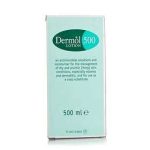
For many people with atopic eczema, plain emollients aren’t quite enough. After all, the eczema-bacteria cycle is well-documented: skin gets dry, the barrier breaks down, Staphylococcus aureus moves in, inflammation gets worse, scratching breaks the skin further. So a leave-on lotion that does both jobs — moisturising AND reducing bacterial load — can genuinely help. That’s the case for Dermol 500 Lotion.
Dermol 500 Lotion vs Dermol 600 Bath Emollient
These are the two most common Dermol products people choose between. So here’s the honest comparison:
Format: Dermol 500 is a leave-on lotion; Dermol 600 is a bath additive
Oil content: Dermol 500 has 5% oils; Dermol 600 has 50% oils (much higher because of dilution in the bath)
Antimicrobials: Dermol 500 has BOTH benzalkonium AND chlorhexidine; Dermol 600 has benzalkonium only
Chlorhexidine allergy: Dermol 500 must be avoided; Dermol 600 is safe
Use case: Dermol 500 for daily moisturising; Dermol 600 for bath soaks
Many people use both — Dermol 600 in the bath, Dermol 500 as a leave-on afterwards
Dermol 500 Lotion vs Dermol Cream
Both are leave-on Dermol products with both antimicrobials. So the difference is texture:
Dermol 500 Lotion: 5% oils, light non-greasy lotion, easy to apply over large areas
Dermol Cream: 20% oils, richer cream texture, better for very dry skin
Both contain the same antimicrobials (benzalkonium chloride 0.1% + chlorhexidine dihydrochloride 0.1%)
Lotion suits daytime use and larger body areas; cream suits drier patches and night use
Many people use both — lotion for general body care, cream for particularly dry spots
Dermol 500 Lotion vs Dermol Wash
Both contain identical actives in similar concentrations. So the difference is how they’re designed to be used:
Dermol 500 Lotion: primarily a leave-on lotion, although can also serve as a soap substitute
Dermol Wash Cutaneous Emulsion: designed primarily as a cleanser, used at the sink or in the shower
Both are non-foaming since they don’t contain harsh detergents
If you want one product for both jobs, Dermol 500 Lotion is the more versatile choice
Where Dermol 500 fits in UK skin care
Leave-on antimicrobial emollients sit at Step 1-2 of the UK approach to dry skin conditions:
Step 1: Daily leave-on emollient use — plain (Doublebase, Cetraben) or antimicrobial (Dermol 500) depending on infection risk
Step 2: Emollient soap substitutes and bath additives, including Dermol 500 used in either role, or Dermol 600 in the bath
Step 4: Mild topical steroids like hydrocortisone 1% for mild flares
Step 5: Moderate to potent topical steroids (Eumovate, Betnovate, Elocon) for stronger flares
Step 6: Calcineurin inhibitors (tacrolimus, pimecrolimus) for face and sensitive areas
Step 7: Antibiotic treatment if skin becomes clinically infected
Step 8: Specialist skin care input for treatment-resistant cases
Importantly, even when someone is using topical steroids or antibiotics higher up the ladder, the antimicrobial emollient continues. So stopping these when symptoms ease is one of the most common reasons skin conditions come back.
Who Dermol 500 Lotion suits well
This product particularly works well for people who:
Have atopic eczema, especially with recurrent flares or visible signs of bacterial colonisation
Have eczema that worsens despite using plain emollients consistently
Are prone to recurrent skin infections (impetigo, infected scratches)
Have broken skin from scratching, where bacterial entry is a real risk
Want a light, non-greasy leave-on emollient that fits under work clothes
Need a dual-purpose product (leave-on + soap substitute)
Want one product to cover large body areas easily
Have a child with atopic eczema needing daily antimicrobial support
Have hand dermatitis where bacterial colonisation is part of the picture
Who might suit other options better
Other options may work better for people who:
Have a known allergy to chlorhexidine — this is the most important safety point, since severe reactions are possible
Have plain dry skin without any infection risk — plain emollient lotions (Doublebase, Cetraben) cost less and work just as well
Have very dry, severely cracked skin — Dermol Cream or a thicker ointment provides more barrier
Have signs of established skin infection (yellow crusts, increasing redness, pus, fever) — see GP for antibiotics first
Are sensitive to cetostearyl alcohol
Have psoriasis without eczema, since plain emollients usually suit better
Want fragranced or plant-based products — Dermol is a clinical product without fragrance
Have hairy skin areas where the lotion may not stay in place
Have facial eczema — talk to our pharmacist about face-suitable options first
Courier Pharmacy supply
Dermol 500 Lotion is a Pharmacy (P) medicine. So no prescription is needed, but the medicine is sold under pharmacist supervision. Our pharmacist will check for chlorhexidine allergy and discuss whether Dermol 500 is right for your situation — and suggest other options if it isn’t.
Dermol 500 Lotion is a leave-on antimicrobial emollient — and the combination is what makes it useful. So while plain emollients moisturise dry skin, Dermol 500 does that AND tackles the bacteria that often colonise eczema-prone skin. After all, Staphylococcus aureus living on inflamed skin drives the itch-scratch-flare cycle. Dermol 500 contains two antiseptics (benzalkonium chloride and chlorhexidine dihydrochloride) plus 5% emollient oils in a light, non-greasy lotion. Important: it contains chlorhexidine, which can rarely cause severe allergic reactions, so anyone with a previous chlorhexidine problem must avoid it.
At Courier Pharmacy, we believe in treatment that fits the person.
This page covers what Dermol 500 Lotion is, who genuinely benefits, who doesn’t, and the safety points that matter — including the chlorhexidine warning and the fire risk that often don’t get talked about enough.
Five key takeaways
Dermol 500 Lotion is licensed for dry and itchy skin conditions, especially eczema and dermatitis
It contains four actives: benzalkonium chloride 0.1%, chlorhexidine dihydrochloride 0.1%, liquid paraffin 2.5%, and isopropyl myristate 2.5%. So it’s both an antimicrobial AND an emollient in a light, non-greasy lotion
Particularly useful for atopic eczema where bacterial colonisation drives flares. In fact, Staphylococcus aureus colonises eczematous skin in large numbers, and reducing it can break the flare cycle
Important chlorhexidine safety point: very rare but severe allergic reactions, including anaphylaxis, have been reported with chlorhexidine-containing products. So don’t use Dermol 500 Lotion if you’ve ever reacted to chlorhexidine (some surgical washes, hospital wipes, mouthwashes)
Suitable for all ages, including babies. Use as a leave-on lotion or as a soap substitute. Like all paraffin-based emollients, residue on fabric is a fire hazard near naked flames
Why choose Courier Pharmacy for Dermol 500 Lotion
At Courier Pharmacy, our approach starts with a simple idea: treatment should fit the person, not force the person to fit the system.
Dr Ada Jex-Cori
Our service is shaped by the philosophy of Dr Ada Jex-Cori, our brand pharmacist.
Dr Ada represents the spirit of the pharmacy: evidence-led, community-rooted, and willing to challenge the one-size-fits-all approach to medicine. She is named in honour of three pioneering women in science: Ada Lovelace, the mathematician and visionary; Sophia Jex-Blake, the first female doctor in the UK who fought the medical establishment; and Gerty Cori, the biochemist and Nobel Prize winner.
In our fictional world of Ethrewell, Dr Ada fights against pharma’s standardised approach to medicine. In the real world, she represents what we stand for. Her view is straightforward: you are not broken. The system is. And we are here to change that.
When the emollient is doing two jobs
Most online pharmacies stock plain emollients alongside their leave-on creams. Courier Pharmacy is different. So we recognise that some skin conditions need the emollient to do more than one job:
In atopic eczema, the dry skin AND the bacterial colonisation both feed the flare cycle
Plain emollients address the dryness but not the bacteria
Antimicrobial emollients like Dermol 500 address both at once
That dual action can make the difference between settled skin and ongoing flares
However, it’s not the right choice for everyone — plain emollients are cheaper and work fine for non-infected dry skin
Our pharmacist will discuss whether the dual action is right for your specific situation. After all, treatment that fits matters more than the most expensive product on the shelf.
The chlorhexidine check matters
Because Dermol 500 contains chlorhexidine, our pharmacist will specifically ask about prior chlorhexidine exposure before dispensing. So:
Have you had chlorhexidine mouthwash before?
Have you had an unexplained reaction during surgery, dental work, or hospital care?
Have you used chlorhexidine wipes or antiseptic without problems?
If yes to known previous reaction: Dermol 500 is not for you, and Dermol 600 (bath emollient with benzalkonium only) may suit instead
If unknown: we’ll talk through alternatives, including chlorhexidine-free antimicrobial options
Honest framing about cost
Dermol 500 Lotion costs more than plain emollient lotions like Doublebase, Cetraben, or Diprobase. So we’d rather be honest about this:
If you have plain dry skin without infection risk, plain emollients work just as well at lower cost
If you have eczema with recurrent bacterial flares, Dermol 500 may be worth the extra cost
If you’ve never had infected eczema, you probably don’t need an antimicrobial emollient
If unsure, try a plain emollient first and step up if needed
Skin conditions and the bigger picture
Skin conditions often connect to wider health patterns. So our pharmacist can discuss:
The atopic march: eczema linked to hay fever, asthma, and food allergies
How stress, sleep, and diet affect eczema flares
Mast cell activation syndrome (MCAS) and chronic skin reactivity
Hormonal changes and skin, particularly during perimenopause, menopause, pregnancy, or puberty
When recurrent skin infections suggest something else needs investigating
How to talk to your GP about eczema that isn’t settling
Sometimes the skin is the visible part of a wider story — and that’s worth talking through.
Pharmacist support before and after purchase
Our pharmacist is here to discuss:
Whether Dermol 500 Lotion is the right choice for your skin
Chlorhexidine allergy screening before you use it
How to use it safely and effectively
Fire safety considerations and how to manage them
How Dermol 500 fits alongside other Dermol products, leave-on emollients, steroids, and other treatments
When to step up to GP review or antibiotic treatment
This is free and on hand before and after purchase.
Trust earned, not claimed
We are GPhC-regulated, and our content is grounded in NHS, BNF, NICE, and British Association of Dermatologists guidance.
If Dermol 500 Lotion isn’t the right answer for your situation, we’ll tell you honestly. After all, we would rather give you the right advice than a quick sale.
How to buy Dermol 500 Lotion from Courier Pharmacy
Dermol 500 Lotion is a Pharmacy (P) medicine. So no prescription is needed, but the medicine is sold under pharmacist supervision.
How our service works
Add Dermol 500 Lotion to your basket and check out as normal
Our pharmacist will specifically check about prior chlorhexidine reactions before dispensing, since this is a known safety issue
If we need to check anything else with you, we’ll get in touch
Your order is dispensed and sent out in plain, discreet packaging
Free pharmacist support is on hand before and after your purchase
When other options might suit better
If Dermol 500 isn’t the right product for your situation, we’ll explain why. Other options may include:
Dermol 600 Bath Emollient: same maker, bath additive format, benzalkonium chloride only (no chlorhexidine)
Dermol Cream: richer cream texture (20% oils) with same antimicrobials
Dermol 200 Shower Emollient: designed for showering
Dermol Wash Cutaneous Emulsion: designed primarily as a cleanser
Plain emollient lotions (Doublebase, Cetraben Lotion, Diprobase Lotion) — if no antimicrobial action is needed
Topical steroids for active flares (separate prescription)
Calcineurin inhibitors (tacrolimus, pimecrolimus) for steroid-sparing treatment
Oral antibiotics if eczema is clinically infected (GP prescription)
Specialist dermatology referral for severe or treatment-resistant skin disease
Our community service
Our free fortnightly drop-in clinics at Insomnia Coffee Shop, Derby run every other week from 10am to 12pm.
Healthcare shouldn’t only happen when you’re paying for it. So we show up, even when it’s free.
We cover dermatology, eczema, psoriasis, MCAS, CFS, fibromyalgia, allergies, asthma, hair loss, men’s and women’s health, digestive health, weight management, and whatever else people bring through the door. No appointment needed, no charge, no pressure.
Active ingredients
Each 100ml of Dermol 500 Lotion contains:
Benzalkonium chloride 0.1% w/w: an antimicrobial that targets bacteria, especially Staphylococcus aureus
Chlorhexidine dihydrochloride 0.1% w/w: a broad-spectrum antimicrobial active against many bacteria
Liquid paraffin 2.5% w/w: an occlusive oil that forms a thin protective barrier on the skin
Isopropyl myristate 2.5% w/w: a lightweight oil that softens the skin and helps the lotion spread evenly
Why both antimicrobials matter
This is what makes Dermol 500 different from Dermol 600 (the bath emollient). After all, Dermol 600 contains only benzalkonium chloride, whereas Dermol 500 Lotion adds chlorhexidine dihydrochloride. So why combine both?
Benzalkonium chloride is a quaternary ammonium antiseptic — positively charged, drawn to bacterial cell walls
Chlorhexidine is a bisbiguanide antiseptic — also positively charged, but works on different parts of the bacterial membrane
Together, the two have a broader antimicrobial spectrum than either alone
In particular, the combination is highly effective against Staphylococcus aureus
Resistance is less likely with two different antimicrobial mechanisms
The trade-off is that chlorhexidine has a higher rate of allergic reactions than benzalkonium
Why the lotion format works
Dermol 500 is a light, non-greasy lotion with only 5% oil content. So compared to Dermol Cream (20% oils) or Dermol 600 (50% oils in the bath), the lotion is the lightest leave-on Dermol product. In practice, this means:
Easy to apply over large areas (arms, legs, back, chest)
Quick to absorb without leaving the skin shiny or sticky
Suits daytime use under work clothes
Pump dispenser makes application simple
Suits people who find creams or ointments too heavy
However, for very dry or severely cracked skin, the lotion may not provide enough barrier — in which case Dermol Cream or a thicker non-antimicrobial ointment would suit better.
Other ingredients
Beyond the actives, Dermol 500 Lotion contains:
Cetostearyl alcohol (a possible sensitiser in some people)
Macrogol cetostearyl ether (cetomacrogol 1000)
Phenoxyethanol (preservative)
Purified water
Dermol 500 contains no dyes, fragrances, parabens, or steroids. The full ingredient list is in the patient information leaflet supplied with the product.
What is Dermol 500 Lotion for?
Dermol 500 Lotion is for dry, itchy skin conditions where bacterial infection is part of the problem. So it's used in atopic eczema, dermatitis, and similar inflammatory dry skin conditions. The emollient oils trap moisture in the skin, while the two antiseptics target bacteria that can make eczema worse.
Who is it for?
This product particularly suits people with atopic eczema, especially with recurrent flares or visible signs of bacterial colonisation. It also suits people whose eczema doesn't settle on plain emollients, those with broken skin from scratching, and anyone whose skin condition follows a flare-infection-flare cycle. Suitable for all ages, including babies.
What does it do?
Dermol 500 Lotion does two things at once. First, the emollient oils form a thin protective layer that traps water in the skin, restoring barrier function. In addition, benzalkonium chloride and chlorhexidine dihydrochloride bind to bacterial cell walls and reduce the number of bacteria — especially Staphylococcus aureus — living on the skin. As a result, the skin gets moisturised AND the bacterial load that drives flares comes down.
What doesn't it do?
Dermol 500 Lotion isn't a cure for eczema or any underlying skin condition. So it doesn't replace topical steroids during active flares. It also isn't a substitute for oral antibiotics if you have an established skin infection with crusting, oozing, or fever — see GP first. Finally, it isn't a treatment for fungal or viral skin infections like ringworm, athlete's foot, or cold sores.
How Dermol 500 Lotion works
Dermol 500 has two active modes at the same time: emollient moisturising and antimicrobial action. So while the lotion sits on the skin, both effects happen together.
The emollient mechanism
When you smooth Dermol 500 Lotion onto skin:
The lotion spreads thinly across the skin surface
Liquid paraffin and isopropyl myristate sink into the outer skin layer
A thin protective film forms on the skin surface
This film slows transepidermal water loss (the medical term for water evaporating through the skin)
Deeper skin layers rehydrate from the body's own water stores
The skin barrier becomes more flexible and less prone to cracking
Over days to weeks of regular use, barrier function improves
The antimicrobial mechanism
Two different antimicrobials work together:
Benzalkonium chloride and chlorhexidine are both positively charged molecules
Bacterial cell walls carry a negative electrical charge
Both antimicrobials are drawn to bacterial surfaces
Benzalkonium disrupts bacterial membranes via its detergent-like action
Chlorhexidine binds to bacterial cell walls and causes the contents to leak out
Together, the two attack different bacterial structures
Staphylococcus aureus — the main bacteria that worsens eczema — is particularly affected
Importantly, because the lotion stays on the skin between washes, the antimicrobial action continues for hours. So this is different from a quick antiseptic wash — it's persistent low-level antimicrobial protection.
Why Staphylococcus aureus matters in eczema
In healthy skin, only a few bacteria live on the surface in balance. However, in atopic eczema, the skin barrier is weakened and Staphylococcus aureus moves in. Studies have shown that up to 90% of people with active atopic eczema have S. aureus colonisation, compared with around 5-10% of healthy skin.
Why does this matter? Because S. aureus:
Produces toxins that increase inflammation
Triggers immune responses that worsen the rash
Drives the itch-scratch cycle by increasing skin irritation
Raises the risk of full-blown skin infection (impetigo, cellulitis)
Makes flares last longer and recur more frequently
So reducing S. aureus on the skin can help eczema settle. In short, addressing the bacteria is addressing part of the eczema itself.
How to use Dermol 500 Lotion
This summary is for reference only. The definitive guide is the patient information leaflet supplied with the product. So if anything isn't clear, contact our pharmacist.
Priming the pump
Before first use:
Turn the top of the pump dispenser anti-clockwise to unlock
Press the pump several times until lotion starts flowing
After use, turn the top clockwise to lock the pump (useful for travel)
1. As a leave-on lotion
How to use Dermol 500 as a moisturiser:
Pump a small amount into your hand
Smooth onto dry skin in gentle strokes
Apply in the direction of hair growth (this reduces folliculitis)
Allow any excess to soak in over a few minutes — don't rub vigorously
Reapply as often as needed, especially after washing or bathing
Apply after bathing or showering, while skin is still slightly damp
Apply more Dermol 500 as a leave-on lotion while skin is still slightly damp
This works particularly well for people whose eczema worsens just from soap and shower gel. After all, ordinary soaps strip the skin's natural oils — and Dermol 500 doesn't.
How often to use it
Frequency depends on your skin condition:
Daily use during flares or for active eczema
Several times a day for widespread or severe dry skin
Maintenance use (once or twice daily) once skin is settled
Never stop completely if eczema is the issue, since bacterial recolonisation happens fast
Your pharmacist or GP may advise different patterns for specific situations
Using Dermol 500 with other treatments
Dermol 500 fits with most other eczema treatments. However, layer carefully:
Plain emollients (Doublebase Gel): can be combined, although there's usually no need — pick one or the other
Topical steroids: leave at least 30 minutes between Dermol 500 and the steroid
Calcineurin inhibitors (tacrolimus, pimecrolimus): leave at least 30 minutes apart
Oral antibiotics for infected eczema: continue as prescribed; Dermol 500 supports but doesn't replace antibiotics for established infection
Other antimicrobial products: don't layer multiple antimicrobials at the same time without pharmacist advice
If applying another treatment to the same area, try not to mix the two products — apply alternately, leaving time for the first to soak in
Food, drink, and lifestyle
Dermol 500 is for external use only, so it doesn't interact with food, drink, or alcohol directly. However, several lifestyle factors affect dry skin and emollient effectiveness:
Lukewarm rather than hot showers, since hot water strips skin oils
Limit bath time to under 15 minutes total
Pat dry rather than rubbing
Apply emollient within 3 minutes of patting dry (the "soak and seal" method)
Use a humidifier in centrally heated rooms
Avoid biological washing powders and fabric conditioners with strong fragrances
Cotton clothing is gentler than wool or synthetic fabrics
What if you miss an application?
Don't worry. Just carry on using the product as described the next time you need it. Missing the occasional application isn't a problem — although consistent regular use is what builds up the protective effect.
Storage
Store below 25°C
Lock the pump (turn clockwise) when travelling
Use within 18 months of first opening the container
Keep out of sight and reach of children
Don't use after the expiry date on the container
Warnings and precautions
The chlorhexidine warning
This is the most important safety point with Dermol 500 Lotion. So very rare but severe allergic reactions, including anaphylaxis, have been reported with chlorhexidine-containing products. In fact, chlorhexidine anaphylaxis is becoming better recognised, with more cases identified over recent years.
Don't use Dermol 500 Lotion if:
You've ever reacted to a chlorhexidine product
You've had an unexplained reaction during surgery (chlorhexidine is used as a surgical skin prep)
You've reacted to chlorhexidine mouthwash (Corsodyl, Chlorohex)
You've reacted to chlorhexidine wipes or hospital antiseptic
You've had an unexplained reaction during a dental procedure
Signs of severe allergic reaction to be aware of:
Swelling of the face, lips, tongue, or throat
A sudden uncharacteristic red, itchy skin rash (hives) away from where you applied the product
Wheezing or breathing difficulty
Feeling faint or dizzy
A strange metallic taste in the mouth
Collapse
If you have any of these signs, stop using Dermol 500 Lotion and get urgent medical help. In short, this is a real but rare risk, and prior chlorhexidine reaction is a hard contraindication.
The fire safety warning
Paraffin-based emollients — including Dermol 500, Doublebase, Diprobase, E45, and most others — on clothing, bedding, dressings, or bandages can ignite catastrophically if exposed to a naked flame. Several UK deaths have been linked to emollient-soaked fabric catching fire from lit cigarettes, gas hobs, or open fires.
How to stay safe:
Keep away from naked flames, lit cigarettes, gas hobs, and open fires
Don't smoke while wearing emollient on the skin or on clothing
Wash clothing, bedding, and dressings frequently at high temperature (60°C or above where possible)
Be aware that emollient residue builds up on fabric over time
Tell other household members, particularly people who smoke or use lit candles
Washing fabric reduces product build-up but doesn't fully remove it
Don't use Dermol 500 if
Don't use Dermol 500 Lotion if you:
Have had any reaction to chlorhexidine in the past (see above)
Have a known allergy to benzalkonium chloride, liquid paraffin, isopropyl myristate, or any other ingredient
Have weeping or pus-filled infected skin needing antibiotic treatment — see GP first
Use with care if
Talk to our pharmacist before using if you:
Have a history of contact allergy to cetostearyl alcohol or other emollient ingredients
Have widespread broken or weeping skin, since the antimicrobials may sting
Have signs of bacterial infection (yellow crusts, increasing redness, warmth, pus)
Have fungal skin infection (ringworm, candidiasis), since Dermol 500 won't treat these
Are using other antimicrobial products at the same time
Have ever needed a chlorhexidine wash for a hospital procedure
Avoid contact with eyes
Dermol 500 can cause irritation if it gets into the eyes. So if accidental contact happens:
Rinse the eye with plenty of clean water
If rinsing one eye, take care not to wash product into the other
If irritation persists, seek medical advice
Use in older adults
Older adults often benefit considerably from regular emollient use. However, they're also more likely to have had chlorhexidine exposure during surgical procedures, so ask about prior reactions before using Dermol 500. Older skin is more fragile, so use gentle smoothing strokes rather than rubbing.
Use in babies and children
Dermol 500 Lotion is licensed for use in babies and children. However:
Apply with clean hands
Avoid the immediate eye area
Use sparingly on nappy area dryness — talk to a health visitor or GP first
Cotton clothing rather than wool reduces friction on emollient-treated skin
Children with very frequent eczema flares should be reviewed by a GP
Use in pregnancy and breastfeeding
Dermol 500 is suitable for use during pregnancy and breastfeeding, since systemic absorption is minimal. However, if breastfeeding and using on the nipples is necessary, apply sparingly and after feeds — and gently wipe away any remaining product before the next feed.
Driving and machinery
Dermol 500 has no effect on driving or operating machinery.
Side effects
Dermol 500 Lotion rarely causes side effects, since most of the active ingredients remain on the skin surface rather than being absorbed.
Uncommon side effects
Local skin irritation (redness, mild stinging, especially on broken skin)
Folliculitis — small bumps from inflamed hair follicles
Contact allergy to cetostearyl alcohol (rash, itching, redness)
Contact allergy to benzalkonium chloride, liquid paraffin, or isopropyl myristate (rare)
Eye irritation if accidentally splashed in the eyes
Rare but serious side effects
Chlorhexidine hypersensitivity, including severe allergic reactions and anaphylaxis
Hives or generalised skin rash
Severe stinging or burning across treated areas
Stop and seek urgent medical help if
You develop swelling of the face, lips, tongue, or throat
You have wheezing or breathing difficulty
You feel faint, dizzy, or collapse
You develop a sudden uncharacteristic red, itchy skin rash (hives) away from the application site
You notice a strange metallic taste in the mouth
Stop and seek advice if
A new rash develops or the existing condition gets worse
Significant itching or burning starts after using
Signs of infection appear (yellow crusts, increasing redness, pus)
Yellow Card reporting
You can report suspected adverse drug reactions to the MHRA via the Yellow Card scheme at yellowcard.mhra.gov.uk. Reporting helps build the safety picture for everyone.
Interactions with other treatments
Dermol 500 is for external use only, with minimal systemic absorption. So it has no known interactions with oral medicines.
Skin-related considerations
The main interactions are with other topical products:
Leave-on emollients (Doublebase, Cetraben): can be combined if needed, but usually pick one or the other
Topical steroids: leave at least 30 minutes between Dermol 500 and the steroid
Calcineurin inhibitors (tacrolimus, pimecrolimus): leave at least 30 minutes apart
Other antimicrobial products: don't combine multiple antimicrobials at the same time
Chlorhexidine-based products (other than Dermol Cream or Dermol 600): don't combine
Soap and shower gels: avoid in the same wash as Dermol 500 — they strip the emollient and antimicrobial action
Not relevant interactions
No significant interactions with:
Oral medications of any kind
Most cosmetics applied to untreated skin areas
Antihistamines (oral or topical)
Antibiotic tablets prescribed for infected skin
Frequently asked questions
How is Dermol 500 different from Dermol 600?
Three key differences:
Format: Dermol 500 is a leave-on lotion; Dermol 600 is a bath additive
Antimicrobials: Dermol 500 has BOTH benzalkonium AND chlorhexidine; Dermol 600 has benzalkonium only
Use case: Dermol 500 for daily moisturising; Dermol 600 for bath soaks
So they're complementary rather than competing — many people use both. However, if you have a chlorhexidine allergy, only Dermol 600 is safe.
How is Dermol 500 different from Dermol Cream?
Both are leave-on Dermol products with the same antimicrobials. So the difference is texture:
Dermol 500 Lotion: 5% oils, light non-greasy lotion, easy over large areas
Dermol Cream: 20% oils, richer cream texture, better for very dry skin
Choose Dermol 500 for daytime and large areas; Dermol Cream for night-time or particularly dry patches
Should I worry about the chlorhexidine in Dermol 500?
Only if you've ever reacted to chlorhexidine before. After all:
Chlorhexidine is widely used and well-tolerated by most people
Severe allergic reactions are very rare
However, those rare reactions can be serious, even life-threatening
Prior reaction to chlorhexidine (in mouthwash, surgical wipes, hospital wash) is a clear reason not to use Dermol 500
If you're unsure, our pharmacist can talk it through with you
If chlorhexidine isn't safe for you, Dermol 600 (bath emollient with benzalkonium only) is an alternative for bath use
How much should I use?
As much as you need — emollients work best when used liberally. So a 500ml bottle should last around 1-2 weeks for regular daily use across the body. Most people drastically under-use emollients, which is why they don't work as well as they could.
How often should I apply it?
As often as needed. So:
Daily use during flares or for active eczema
Several times a day for widespread or severe dry skin
Maintenance use (once or twice daily) once skin is settled
Never stop completely if eczema is the issue — bacterial recolonisation happens fast
Can babies use Dermol 500?
Yes. Dermol 500 is licensed for all ages including babies. However, apply with clean hands, avoid the eye area, and check with the health visitor or GP if your baby has significant eczema needing more than emollient management.
Can I use it on my face?
Talk to our pharmacist first. While Dermol 500 isn't specifically restricted for facial use, the antimicrobial content and possible cetostearyl alcohol reactivity make it worth checking before use. For sensitive facial eczema, calcineurin inhibitors (tacrolimus, pimecrolimus) may suit better.
How do I use it as a soap substitute?
Wet the skin, pump a small amount of Dermol 500 into your hand, smooth onto wet skin, and massage gently. Don't expect lather — Dermol doesn't contain foaming agents. Rinse off with warm water, pat dry, then apply more Dermol 500 as a leave-on lotion while skin is still slightly damp.
Can I use Dermol 500 with my topical steroid?
Yes. So the standard approach is:
Apply Dermol 500 to body skin generally
Wait at least 30 minutes
Apply your topical steroid to the active patches
This way the steroid still gets through to where it's needed, without being diluted by the emollient.
Why does the pump not work at first?
The 500ml bottle has a lock on the pump for transport. Turn the top of the pump anti-clockwise to unlock, then press several times to prime the pump before the lotion starts flowing. After use, you can turn it clockwise to lock again — particularly useful if you're travelling.
Is there really a fire risk?
Yes. In fact, the MHRA has issued specific warnings about paraffin-based emollients igniting on clothing, bedding, and dressings. Deaths have happened. So wash treated clothing and bedding frequently at high temperature, and keep away from open flames, lit cigarettes, gas hobs, and candles.
What if I have an allergic reaction?
Stop using the product. Mild reactions usually settle in a few days. However, if you develop facial swelling, breathing difficulty, hives away from the application area, dizziness, a metallic taste, or collapse, get urgent medical help — this could be a chlorhexidine anaphylaxis, which is a medical emergency.
Can I use Dermol 500 during pregnancy?
Yes. Topical emollients have minimal systemic absorption, so they're safe in pregnancy and breastfeeding. However, if breastfeeding and using on the nipples is necessary, apply sparingly and after feeds, then gently wipe away any residue before the next feed.
Will it interact with my other medicines?
No. Dermol 500 has no known interactions with oral medicines, since systemic absorption is minimal. The main considerations are with other topical products — leave time between Dermol 500 and topical steroids or other treatments.
How long does a 500ml bottle last?
Depends on how much skin you're treating and how often. For someone using Dermol 500 as a daily body moisturiser, the bottle typically lasts 1-2 weeks of regular use. Using it as both a leave-on and a soap substitute will mean it lasts less time.
How should I store Dermol 500?
Storage:
Below 25°C
Lock the pump (turn clockwise) when travelling
Use within 18 months of first opening
Keep out of sight and reach of children
Don't use after the expiry date
How do I order from Courier Pharmacy?
Add Dermol 500 Lotion to your basket on courierstaging.mystagingwebsite.com and check out as normal — no prescription consultation is needed. Our pharmacist will check about prior chlorhexidine reactions before dispensing. Your order goes out in plain, discreet packaging.
More than a prescription: our community
Healthcare shouldn't only happen when you're paying for it.
Every fortnight we run free drop-in talks and clinics at Insomnia, Derby, from 10am to 12pm. So we show up, even when it's free.
Bring a question, bring a friend, bring a stack of bewildering letters from another clinic. We'll sit with you.
We cover dermatology, eczema, psoriasis, MCAS, CFS, fibromyalgia, allergies, asthma, hair loss, men's and women's health, digestive health, weight management, and whatever else people bring through the door. No appointment. No cost. No pressure. Just real support and treatment that fits.
Disclaimer: This article is for information only and isn't a substitute for personal medical advice. Always speak to a qualified pharmacist or prescriber before starting or changing treatment.
How this content was created
Written by the Courier Pharmacy editorial team and reviewed by a GPhC-registered pharmacist.
The content is grounded in the latest NHS, BNF, EMC, NICE, and British Association of Dermatologists guidance. In addition, it draws on the real questions patients bring to our drop-in clinics in Derby.